Home Safety · National
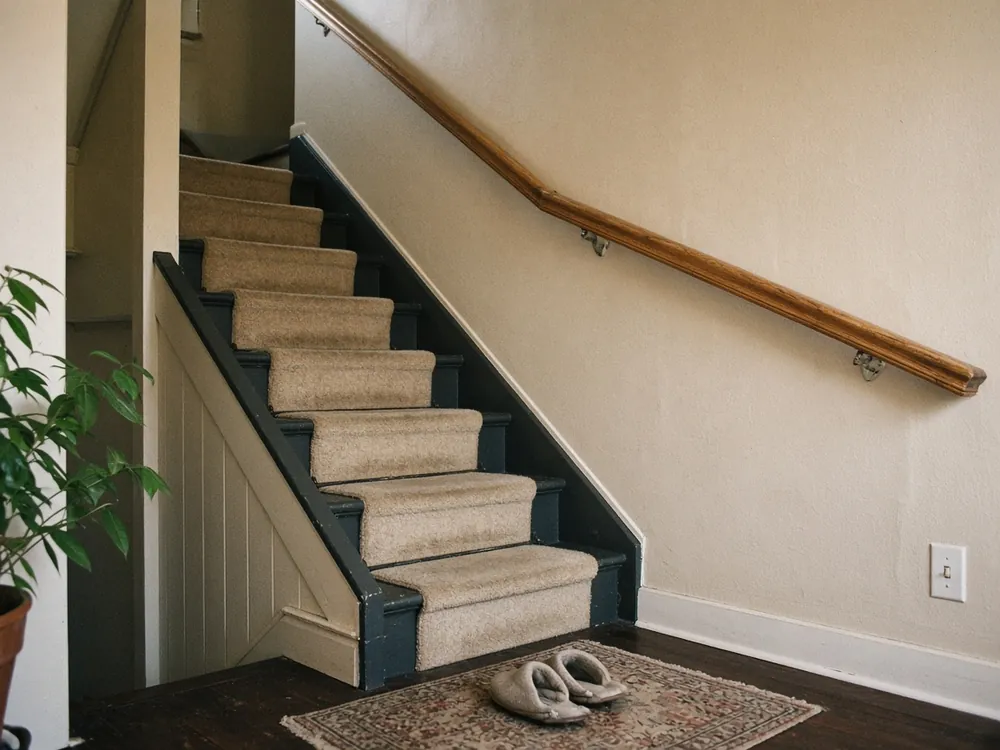
How Can I Make My Stairs Safer at Home?
Sturdy handrails on both sides, light switches at the top and bottom, and clear, non-slip steps are the changes most home-safety checklists start with.
Topic
Practical ways to reduce risks and make your home safer.
Home Safety · National
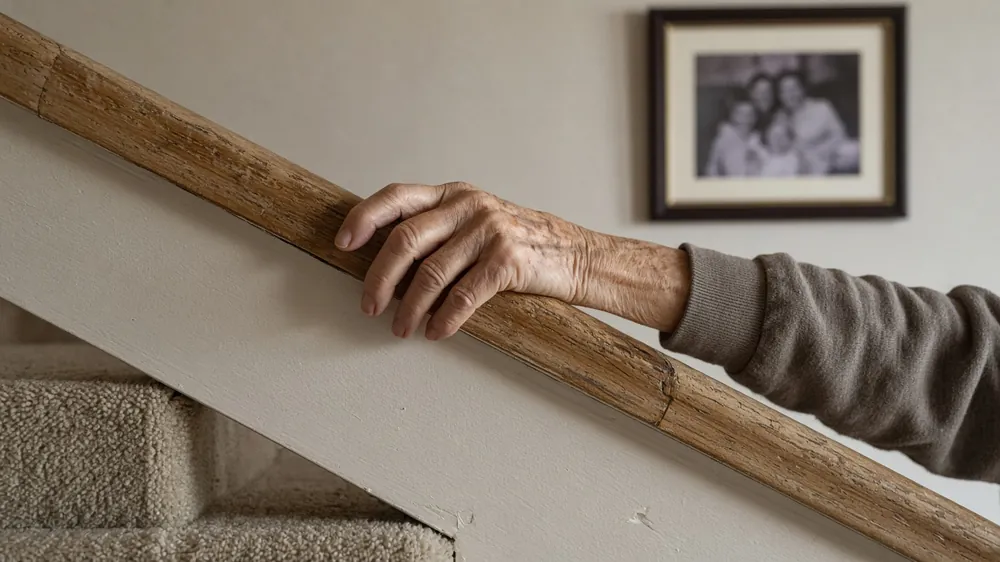
Sturdy handrails on both sides, light switches at the top and bottom, and clear, non-slip steps are the changes most home-safety checklists start with.
Home Safety · Austin, TX
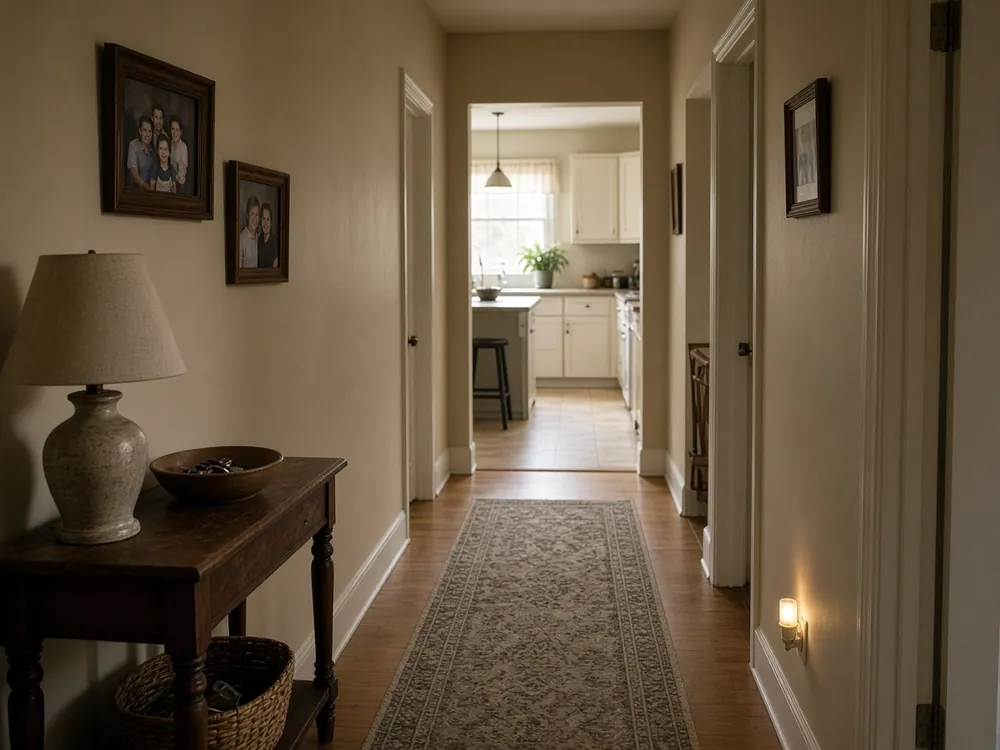
A room-by-room list of low-cost updates — light, clear paths, secured rugs and cords, and everyday items within reach — that most home-safety checklists start with.
Home Safety · National
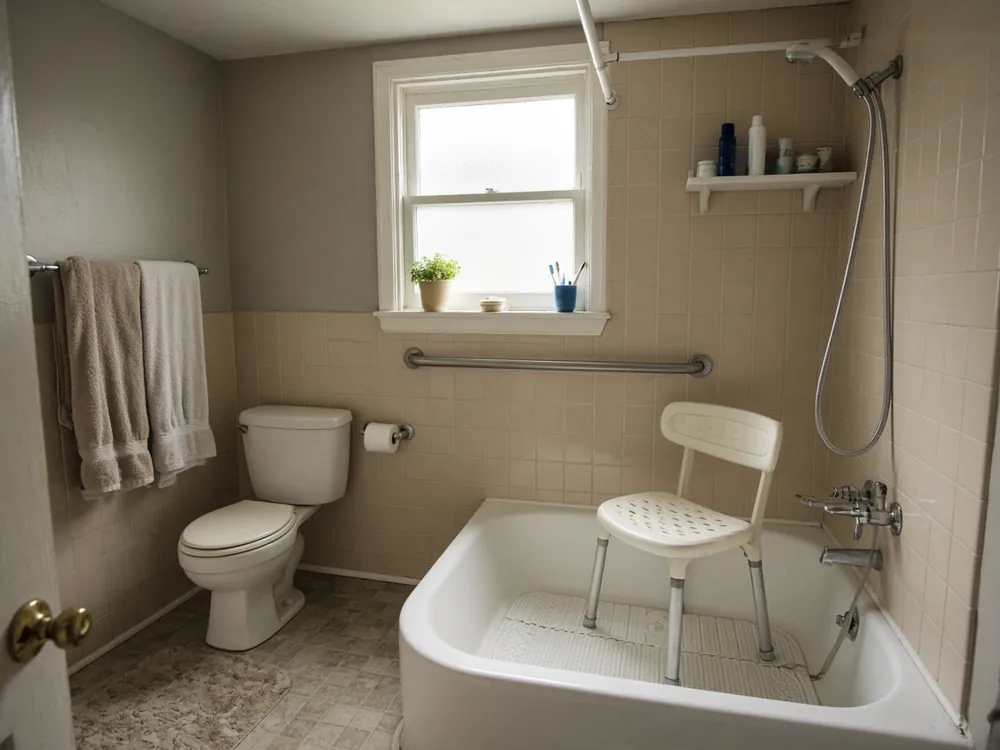
Properly installed grab bars, non-slip surfaces, good night lighting and a seat where it helps are the usual starting points for a safer bathroom.


Explore articles and expert insights for your town.
Home safety articles look at the parts of a home where small problems most often cause trips and falls: stairs, floors, lighting, entryways and bathrooms. The CDC reports that more than one in four people aged 65 and older fall each year, and lists home hazards such as broken or uneven steps, throw rugs and clutter among the conditions that make a fall more likely. Many of those hazards are simple to fix.
For a printable list, the CDC’s “Check for Safety” home checklist is a good companion to these articles. If someone has fallen or feels unsteady, ask their doctor about an in-home assessment by a licensed occupational therapist.