Home Safety
Practical ways to reduce risks and make your home safer.
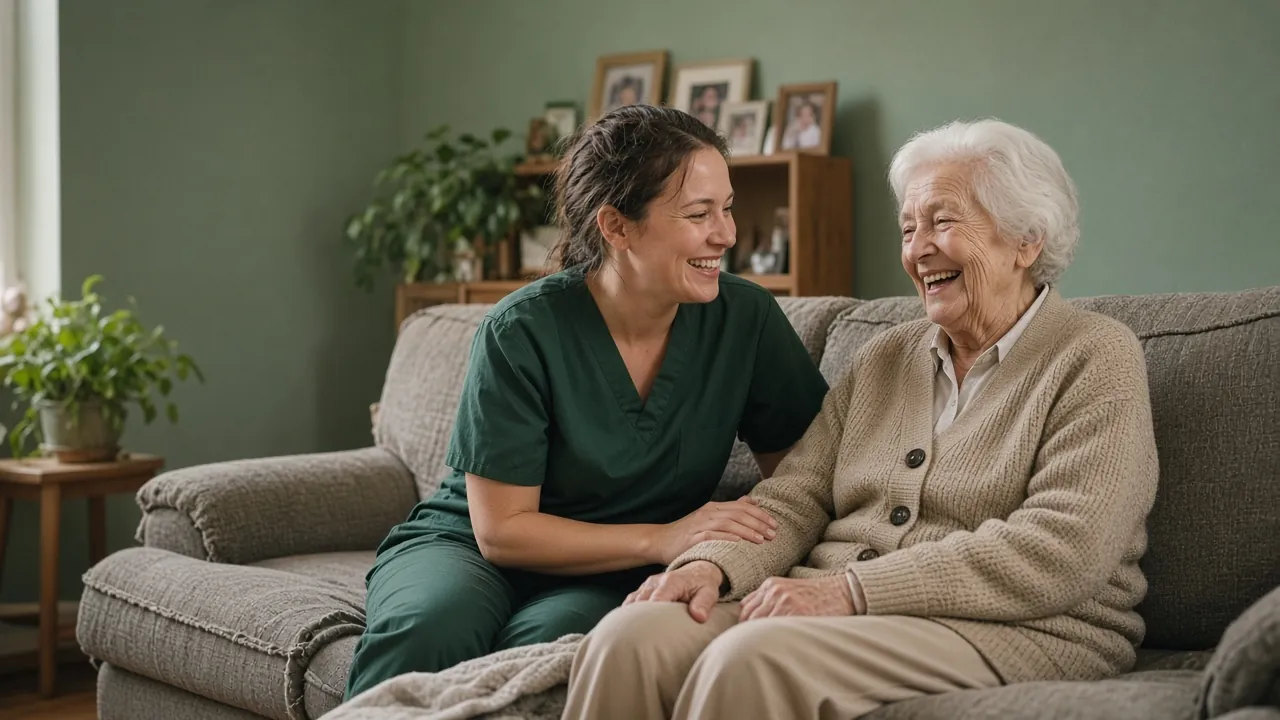
Guidance from an OT’s point of view
Occupational Therapy Insights
Practical, plain-language articles on home safety, aging in place, and daily living, shaped by how occupational therapists look at a home.
Explore by topic: Home SafetyAging in PlaceDaily Living
OT PerspectiveBuilt around how people really use their homes.
Sources NamedPlain language, with public sources you can check.
Independent & EducationalNot medical advice.
Practical ways to reduce risks and make your home safer.
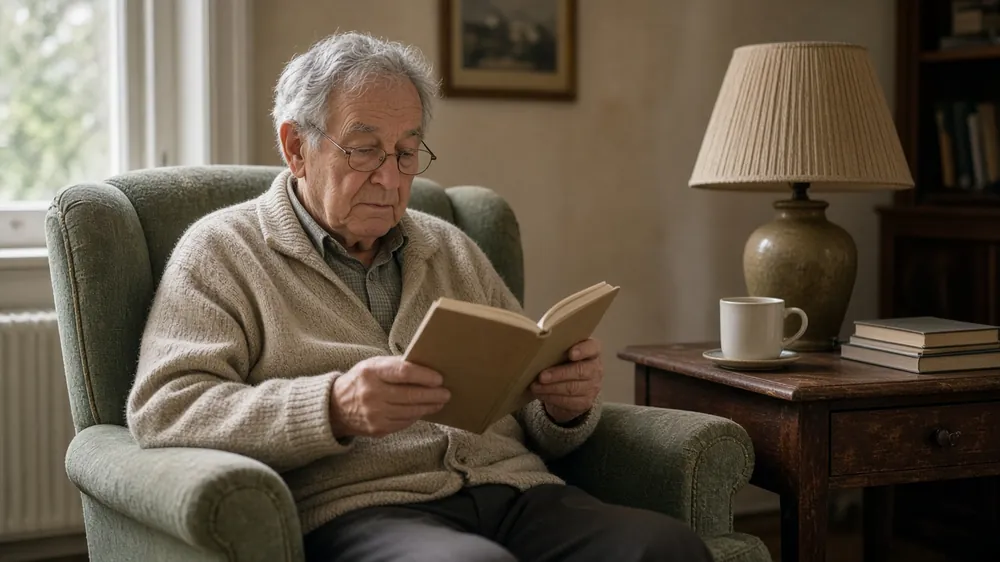
OT strategies to stay independent, comfortable, and confident at home.
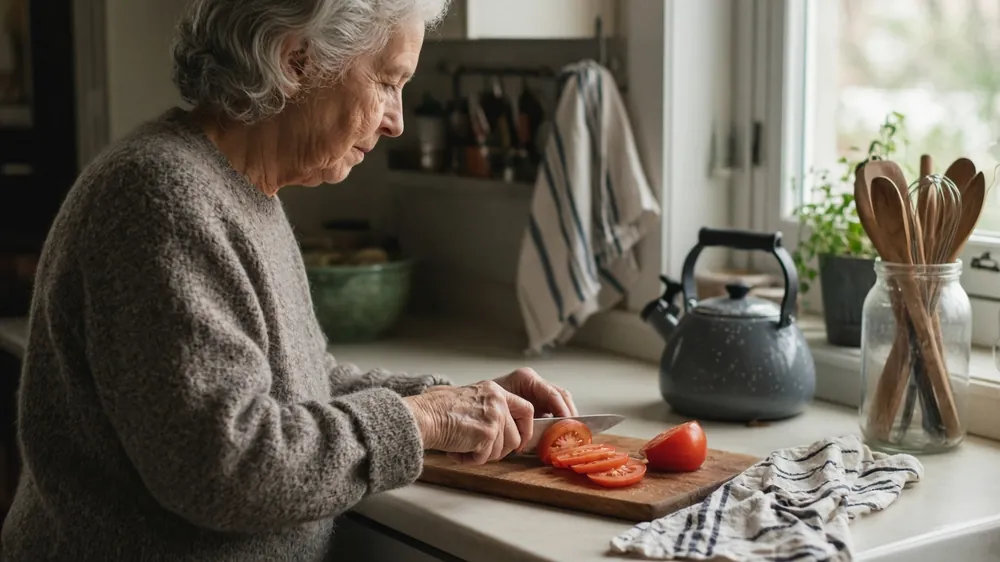
Tips and tools for everyday tasks, routines, and greater independence.
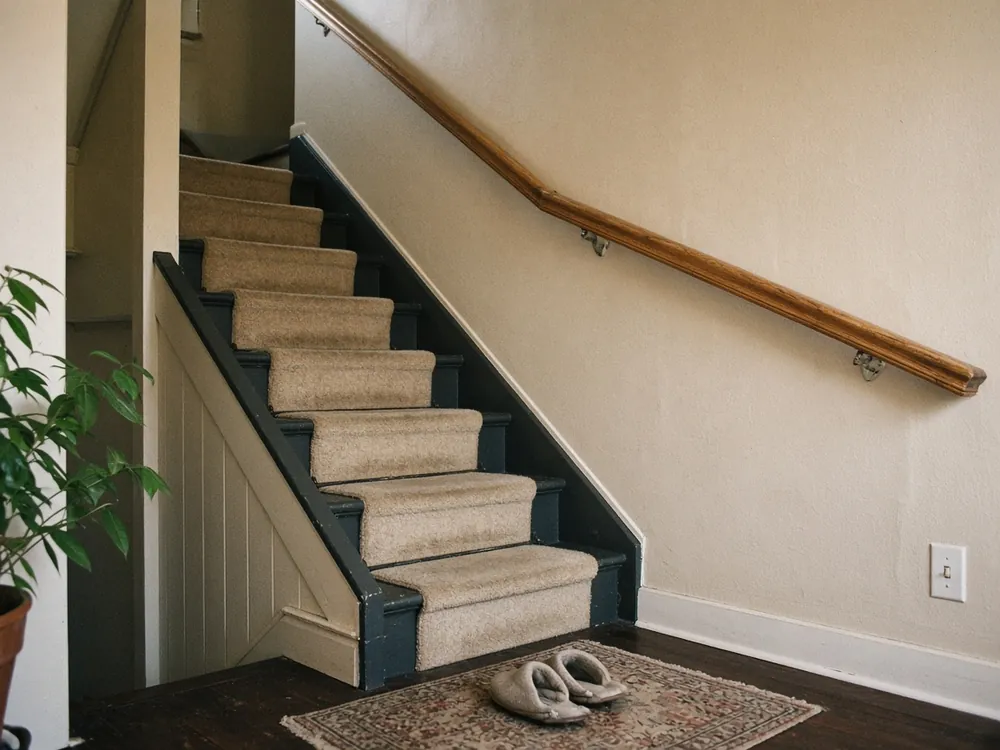
Featured article
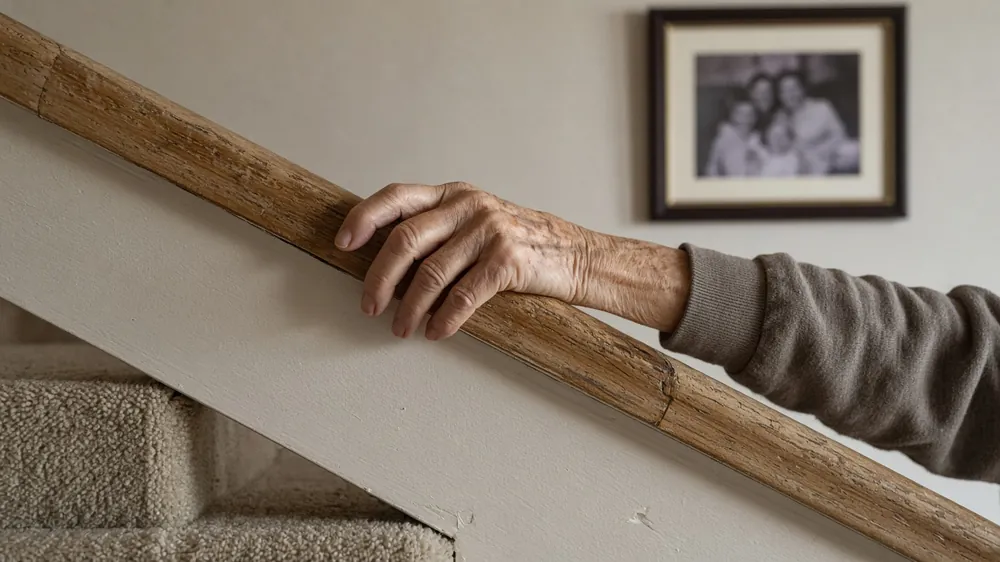
Sturdy handrails on both sides, light switches at the top and bottom, and clear, non-slip steps are the changes most home-safety checklists start with.

Emily Carter, OTR/LNov 10, 2026 · Home Safety


OT Home Safety Guide is a free, plain-language library about making a home safer and everyday life easier, especially for older adults and the families who help them. Each article answers one practical question — how to make stairs safer, what to change in a bathroom, how to make getting dressed easier — and names the public sources it draws on, such as the CDC, the National Institute on Aging and the American Occupational Therapy Association.
Occupational therapists (OTs) look at the person and the home together. Instead of only asking “is this house safe?”, they ask how a person actually gets through their day: getting out of bed, bathing, dressing, cooking, going in and out of the front door. The National Institute on Aging notes that after a fall, a doctor may suggest that an occupational therapist visit the home to assess its safety and advise on changes. The articles here explain that way of thinking in general terms, so you can spot problems early and ask better questions.
Everything here is general information. It is not medical advice and it is not a home assessment. For advice about a specific person, talk to their doctor or a licensed occupational therapist. If someone is hurt or in danger, call emergency services.
Explore articles and expert insights for your town.
Share your expertise, reach a national and local audience, and help more people live safely and independently at home.